Stone, Water, and the Grace of Small Arches

Step beside wind-scoured burns and heathered paths as we explore Traditional Stonemasonry Behind Glen Footbridges: Anatomy of Dry-Stone Arches, celebrating how patient hands coax gravity, friction, and fitting to span lively water. We’ll meet keystones, voussoirs, and humble chinking, trace workshop wisdom from quarry to crossing, and hear stories of shepherds and schoolchildren whose footsteps proved the craft. Wander with us, ask questions, and share your nearby crossings so this quiet, resilient knowledge keeps living.

Quarry Sense and Stone Pairing

Good arches begin with compatible neighbors. We choose blocks whose beds meet broadly, whose grain resists shearing, and whose weathering matches peers. Sorting by depth, taper, and curvature early speeds setting, reduces forceful trimming, and yields forgiving fits that tighten under load, shifting gracefully with seasons rather than fighting them.

Marking Springlines and Honest Center

With cords, pins, and a steady eye, we establish true springlines and a working center, then adjust for skew or roadway camber. Light timber centering or a corbel crib may guide early courses, but alignment, consistent bed angles, and patient checking make the first lift trustworthy without inviting future movement.

Inside the Curve: Anatomy of a Dry-Stone Arch

Names matter because they reveal duties: abutments shoulder thrust, skewbacks define launch, voussoirs ladder the curve, and the keystone locks intention. Spandrels carry roadway fill, parapets shield feet and hooves. We follow how every component converses so water, weight, and wind resolve into balance that feels inevitable, not forced.

Hands, Tools, and the Sound of a True Bed
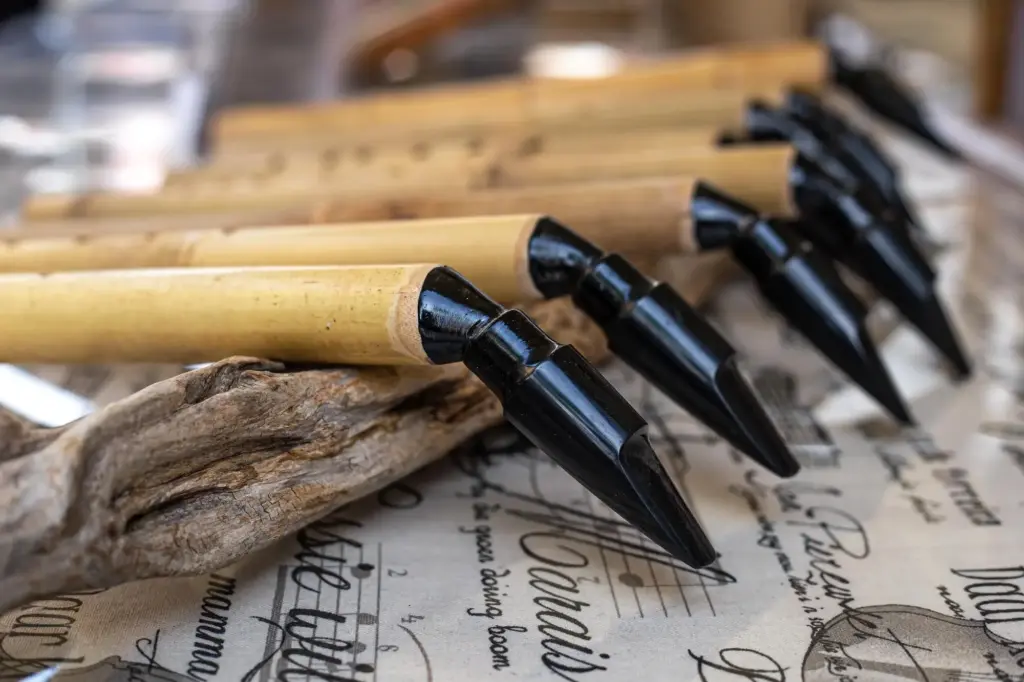
Skill is heard as much as seen. The ring of a chisel reveals grain; the scuff of a rubbing stone tests flatness. Rules, stringlines, batter frames, and a mason’s eye collaborate, but restraint rules—removing only what improves bearing, honoring the stone’s strength, and letting neighboring pieces speak before every strike.

Hammer, Chisel, and the Gentle Argument

Old masons joked that stone listens when you lower your voice. Feather-and-wedge splits, drafted arrises, and pitched faces are conversations, not fights. The aim is honest bearing that meets cleanly, so neighboring stones cooperate without hidden leverage points that might later invite mischief from water or frost.

Batter Frames, Gauges, and Trustworthy Lines

Temporary guides do not build for you; they safeguard intentions when weather, fatigue, or excitement tempt shortcuts. Simple timber frames fix batter and rise, while chalk and cord prompt measured pauses. Rechecking keeps artistry anchored in accuracy, ensuring tomorrow’s adjustments are refinements rather than rescues from hasty choices.

Through-Stones, Hearts, and Hidden Strength

What the passer sees is grace; what holds is continuity. Regular through-stones stitch skins across the width, hearting fills voids without creating sinks, and bonds are staggered so vertical seams never align. The unseen discipline, more than showy faces, earns centuries of service and trustworthy, unremarkable daily crossings.

Thrust, Abutments, and Friendly Earth

The curve yearns to spread; abutments and backfill answer with patience, not panic. We step foundations into firm ground, batter faces toward mass, and compact fill so earth becomes partner. Proper geometry keeps every stone pressing inward, turning lateral worry into vertical confidence that welcomes hoofbeats and wheels.

Why Chinking Helps—and When It Hurts

Slivers are punctuation, not paragraphs. Used thoughtfully, they stop a wobble, translate tiny irregularities, and quiet a rattle. Overused, they create stress points and water paths. The test is tactile: if the main beds do not carry, pause, refit, and let friction, not filler, shoulder the truth.

Centering, Corbels, and Courage to Remove Support

Whether you use light timber centering or corbel from both sides, a brave moment arrives when supports drop. If geometry and fits are honest, the arch exhales, settles a whisper, and becomes singular. That small release teaches more than pages of theory ever could on paper.

Lives Crossed Here: Stories the Stones Remember

Small bridges carry big memories. Drovers easing cattle at dusk, schoolchildren outrunning rain, and a postie balancing sacks—each footfall tightened joints and proved choices. After floods, neighbors gather to relay blocks, matching lichens and scars, rebuilding not only structure but confidence that care, shared, can weather anything.

A Shepherd’s Winter Crossing

An old man recalled guiding a limping ewe across a rimed arch, testing each parapet stone with mittened hands. He trusted the curve because his father had set its keystone. Craft, like flocks, survives when tended carefully across seasons, generations, and the cold insistence of mountain winds.

A Mason’s Mark Under Lichen

Scrape gently and you might find a tiny star or initials where parapet meets coping. Such marks are shy signatures, reminders that names can fade while work continues to shelter strangers. Leave them intact; note, photograph, and quietly thank the steady hand that still helps you cross.

Listening After the Flood

When spates recede, the arch speaks through duller notes, rattling chips, or small fresh gaps. Walk it slowly, feel for looseness, and hear where a bedding wants company. Community work days turn observation into action, restoring poise with kettles, ropes, levers, shared songs, and generous patience.

Walk, Record, Share: Join the Keeper’s Circle

You can help these crossings live. Carry a notebook on your next valley walk, sketch profiles, count voussoirs, and notice drainage. Share photos and thoughts in the comments, ask questions, and subscribe for field guides and interviews. Your curiosity sustains quiet bridges and the crafts behind them.
Lentovexovirozavotarinari
Privacy Overview

This website uses cookies so that we can provide you with the best user experience possible. Cookie information is stored in your browser and performs functions such as recognising you when you return to our website and helping our team to understand which sections of the website you find most interesting and useful.